Russia’s Shadow Fleet Under Scrutiny as 10 European States Weigh Seizing Tankers
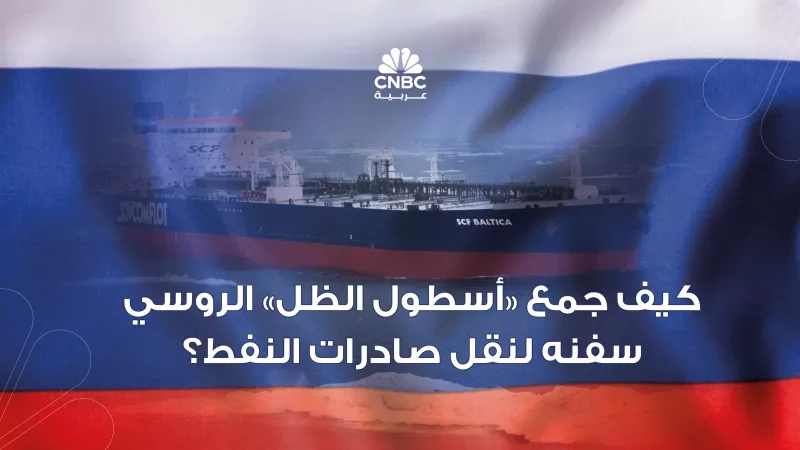
Ten European countries are exploring options to detain oil tankers linked to Russia’s shadow fleet, as part of a broader push to tighten constraints on revenue streams that Western officials say help fund Moscow’s war in Ukraine.
The discussions reflect growing focus on maritime networks that operate outside standard oversight and compliance channels.
Talks held alongside the Munich Security Conference
The issue was discussed in a meeting involving the UK defence secretary and counterparts from the Baltic and Nordic regions on the sidelines of the Munich Security Conference.
The gathering took place under the framework of a 10-nation rapid-response grouping committed to safeguarding the North Atlantic and the Baltic Sea, with attention centered on tankers suspected of ties to Russia’s shadow fleet.
Core aim: squeezing oil-linked war revenues
Participants signaled a willingness to consider more proactive measures to increase pressure on oil-related revenues reaching Moscow.
Officials and analysts argue that a more coordinated approach could raise the operating costs of Russia’s shadow fleet and restrict access to convenient routes toward Asian markets, particularly via key corridors in the Baltic and North Seas.
Escalation concerns and possible joint actions
Despite the tougher tone, some member states remain cautious, citing concerns about escalation.
Options discussed reportedly included coordinated seizures or joint interdiction efforts, as well as tighter inspection and enforcement mechanisms.
However, officials stressed that further deliberations are needed before any definitive decision is made.
What the “shadow fleet” means in practice
The term shadow fleet is commonly used to describe a large web of tankers accused of evasion tactics such as frequent flag changes or the use of questionable flags to appear compliant while bypassing regulatory, insurance, and reporting requirements.
Estimates cited in the discussions put the network at roughly 1,500 tankers, while the EU, the UK, and the US have sanctioned more than 600 vessels over alleged links to Russia.
Flag warnings and recent interdiction examples
In recent weeks, a group of European states warned that vessels sailing in the Baltic and North Seas should carry only a single national flag—an apparent signal targeting practices associated with the shadow fleet.
January also saw instances of interdiction activity, including a case in which the UK supported US action against a tanker, and another in which the French navy boarded a Russia-origin tanker heading toward the Mediterranean.
While the scope of potential US involvement in any UK-led effort remains unclear, sources expect some degree of coordination.
The debate now centers on how Europe can intensify enforcement against maritime evasion networks without triggering unintended escalation, as allies weigh the legal, operational, and geopolitical risks of detaining suspect tankers.