Russian Asset Freeze Approved by the EU to Support Ukraine
The European Union has approved an open-ended Russian asset freeze, marking a strategic legal and political shift aimed at ensuring sustained financial support for Ukraine during the war.
The move removes procedural hurdles that previously limited the use of these funds.
Under the new framework, the Russian asset freeze of sovereign funds held within the EU will continue without the need for renewal votes every six months, giving Brussels greater flexibility to channel proceeds toward Ukraine.
EU leaders view Russia’s invasion as a direct threat to collective security.
Neutralizing Veto Risks
The decision limits the ability of individual member states to block extensions, ensuring the Russian asset freeze remains in place as long as necessary.
This represents a significant change in EU decision-making and strengthens unity on the issue.
Economic and Political Implications
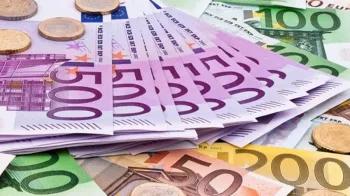
The frozen assets are estimated at around €210 billion, making them a powerful financial lever to support Ukraine.
European officials stress that the approach balances legal obligations with strategic interests while maintaining economic pressure on Moscow.