Expanded European Sanctions on Russia Target Oil and Banks to Intensify Economic Pressure
The European Union has proposed expanded European sanctions on Russia targeting the energy and banking sectors, aiming to further reduce Moscow’s oil revenues and intensify economic pressure.
European Commission President Ursula von der Leyen stated that the expanded European sanctions on Russia would include banning maritime services for Russian oil tankers, such as insurance and port access, making it more difficult for Moscow to secure buyers for its crude exports.
Targeting Oil and Maritime Transport
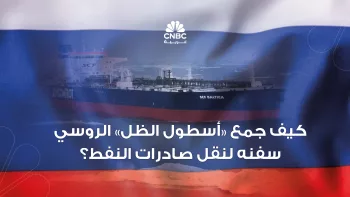
The proposal focuses on limiting Russia’s energy income by tightening oversight of the so-called shadow fleet used to circumvent sanctions, including vessels transporting oil and liquefied natural gas.
Von der Leyen emphasized that the expanded European sanctions on Russia would be coordinated with like-minded partners to maximize their effectiveness.
Blacklisting 20 Banks and Crypto Measures
The package also seeks to blacklist 20 additional Russian banks and introduce measures against cryptocurrency traders to close loopholes used to bypass restrictions.
In addition, the EU plans to ban Russian exports of metals, chemicals, and other materials valued at around $670 million annually.
Continued Economic Pressure
The proposed expanded European sanctions on Russia come as diplomatic efforts continue to address the war in Ukraine, with EU leaders insisting that sustained pressure is necessary to bring Moscow to meaningful negotiations.
Since 2022, the EU has adopted 19 sanctions packages against Russia, and the new measures require unanimous approval from all 27 member states before taking effect.